30 Perc
Csupán 30 perc autóval Budapestről.
460 Hektár
Majdnem 2X akkora terület mint London Luton (LLA) reptere
2500 méter
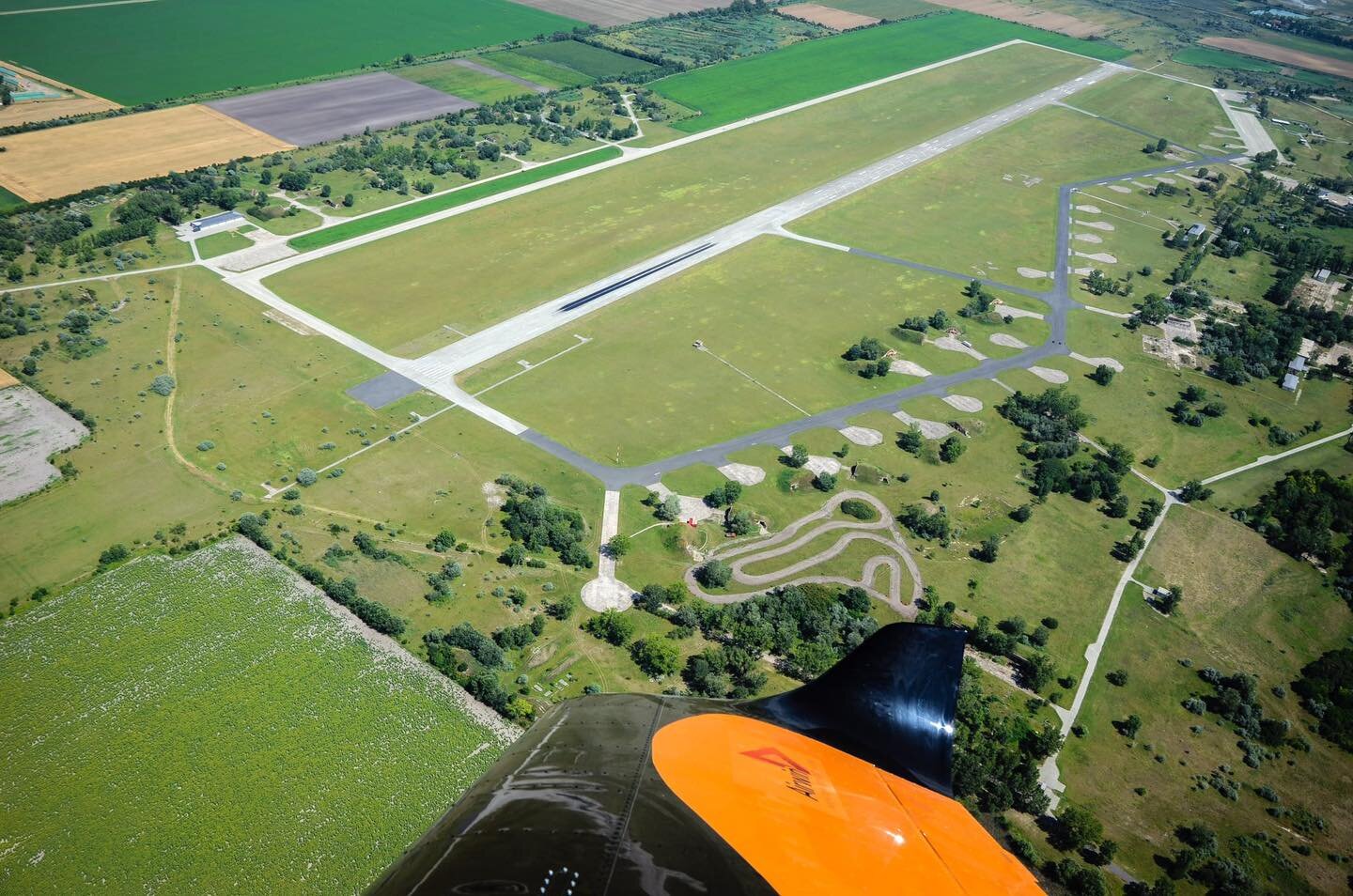
2500 méteres kifutópálya, 45 méter szélességgel.
Kényelmes és Biztonságos Repülés
A pilóták többnyire utálják a forgalmi dugókat, legyen az földön vagy levegőben. A Kiskunlacháza Airport-ot kimondottan a bérlőinknek, szerződött partnereinknek, illetve klubtagjainknak tartjuk fent, annak érdekében, hogy a nagy forgalom hiányában, a minket választó pilóták a magán vagy üzleti célú repüléseiket a legnagyobb kényelemben hajthassák végére.
A 45 méter széles felszállópálya lehetőséget biztosít a hibázásra, úgy, hogy se légijárműve, se utasai ne kerüljenek veszélybe. Kimondottan alkalmas oktatási célra is!
Tároljon nálunk. Aludjon nyugodtan.
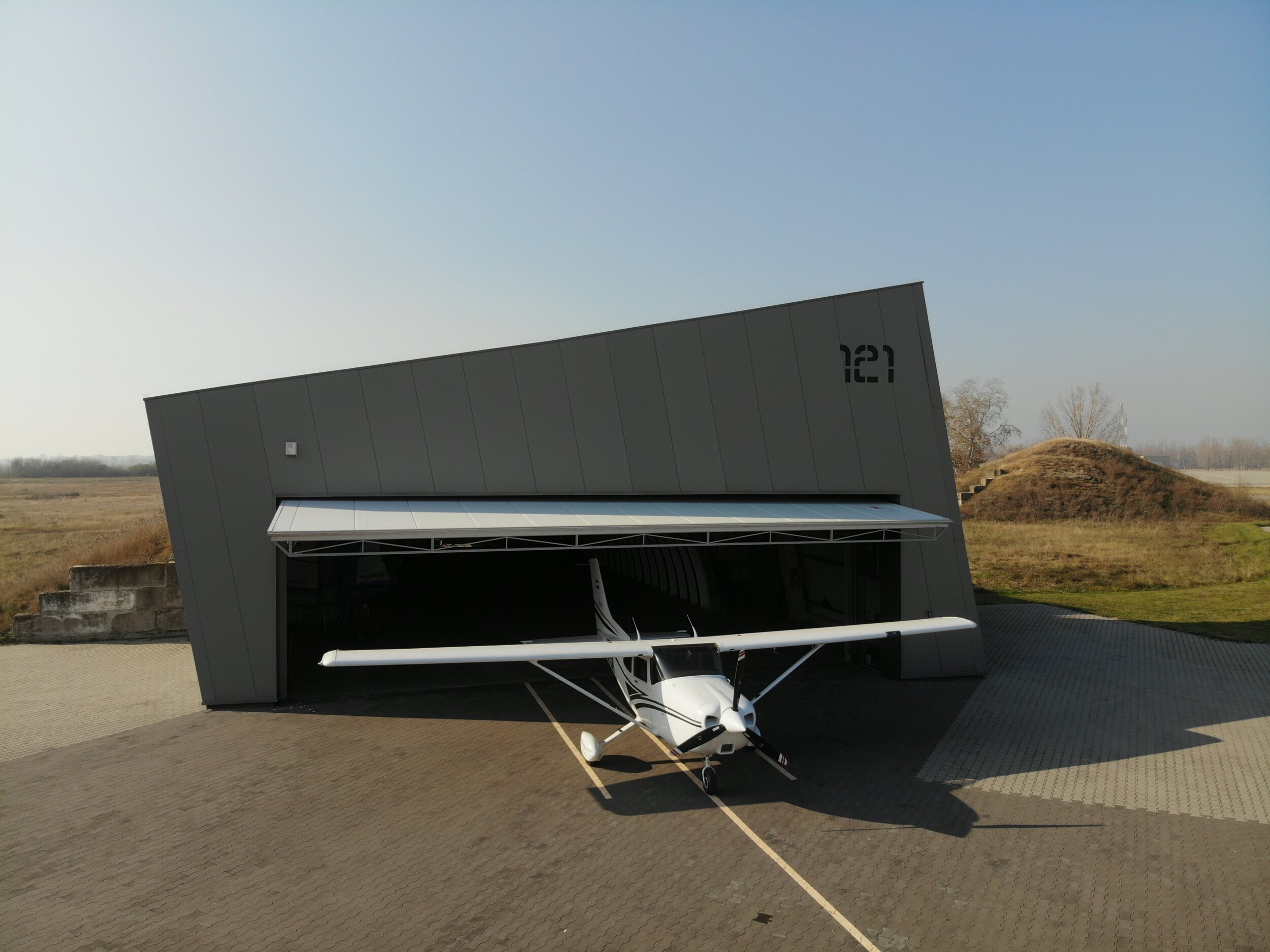
Kinek befektetés, kinek szerelem. De egy biztos, mindannyian féltjük a légijárműveinket. A Kiskunlacháza Airport-nál a filozófiánk az “Egy hangár, Egy bérlő” modell. Nálunk nincs kommunális nagy hangár, ahol a rendezgetés hevébe előfordulhat az, hogy megsérülne az ön légijárműve. Tolja be a saját gépét a saját hangárjába, engedje le egy gombnyomással a hidraulikus hangár ajtót, és aludjon nyugodtan annak tudatába, hogy más nem ér az ön légijárművéhez ameddig ön újra vissza nem tér a hangárjához!
Az Ideális Rendezvény Helyszín
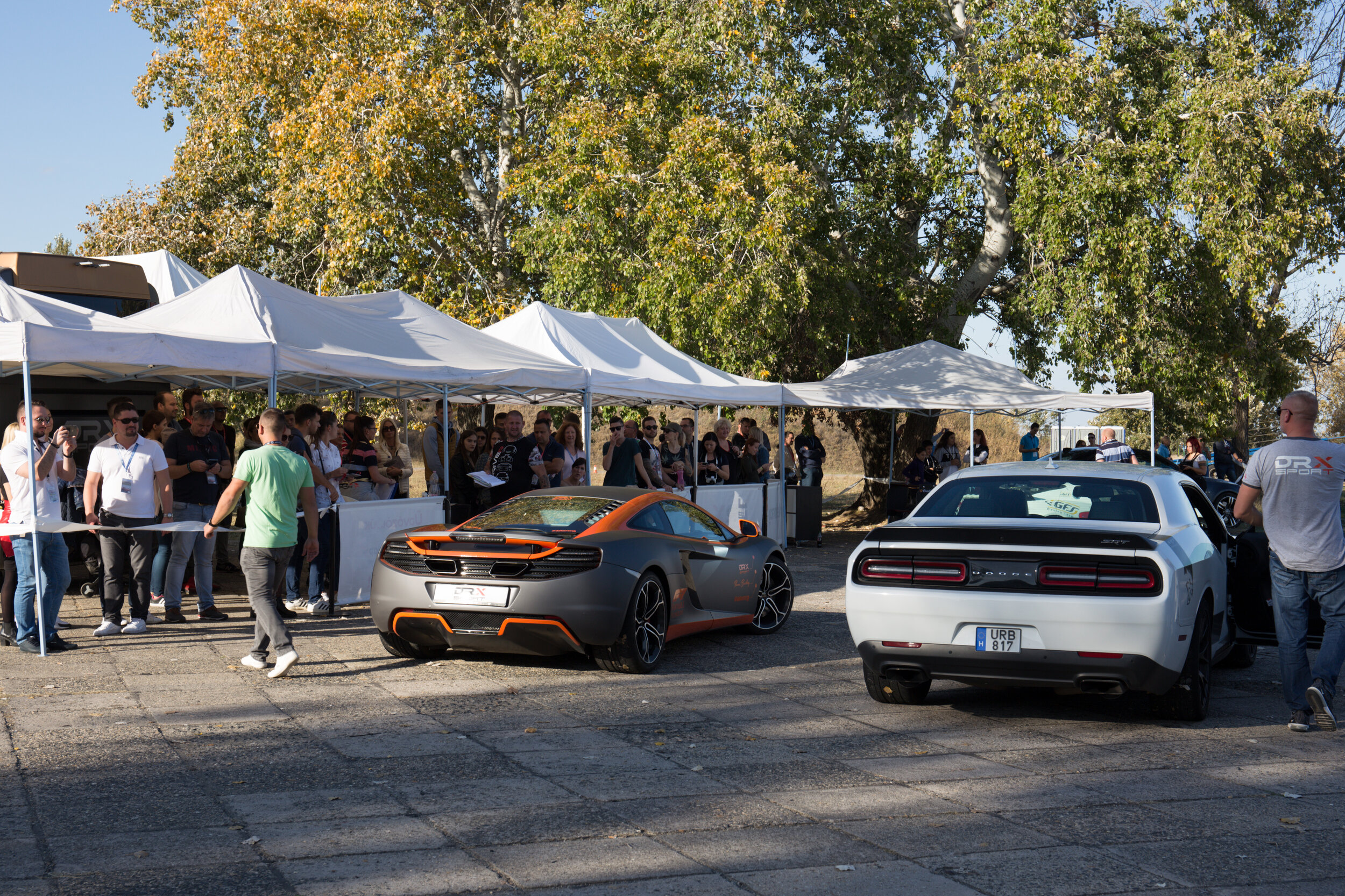
Nehéz lenne jobb helyet találni az ön következő rendezvényéhez. Tágas, szabad terek biztosítják azt, hogy bármilyen méretű rendezvényt tudjunk fogadni. A 117-es Klub épületünk a tágas dupla bár pulttal ellátott fogadóhelységtől, a férfi/női mosdókig minden megtalálható ami egy komoly vállalati rendezvényhez szükséges.
Legyen az egy kis szabású magán rendezvény vagy több ezer fős rendezvény, a Kiskunlacháza Airport várja a jelentkezését.
Fények… Kamera Forog… és TESSÉK!
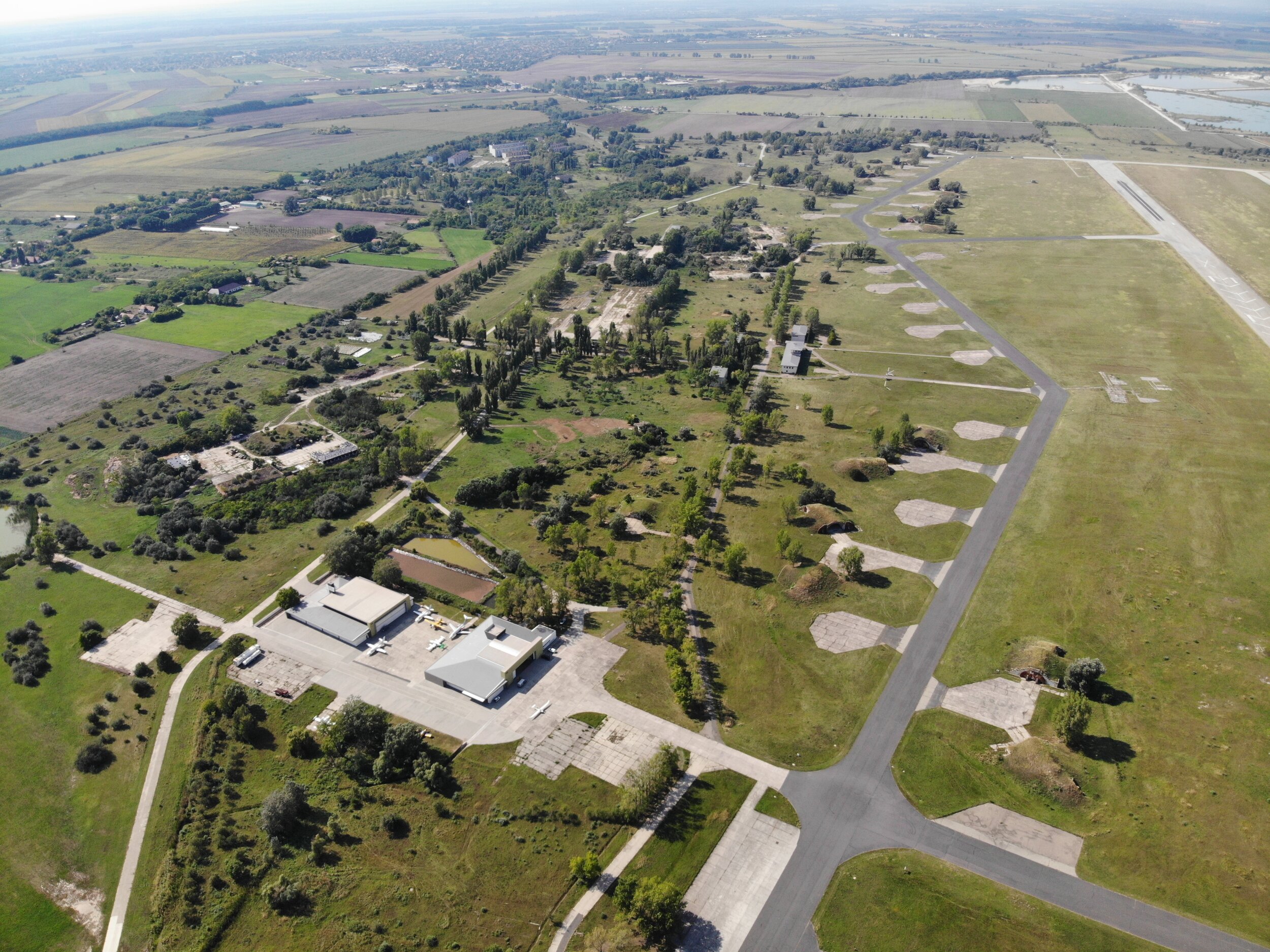
Egy sikeres film forgatásnak az alapja a megfelelő forgatási helyszín kiválasztás. A modernizált hangárjainkon túl, még mindig vannak érintetlen szovjet hangáraink és épületeink. Forgatási helyszín építése szempontjából rengeteg hely áll rendelkezésre és reptér révén könnyedén megoldható az autós avagy repülős/helikopteres jelentek lebonyolítása is! A YouTube videótól, Hollywood-ig bezárólag várjuk önt és csapatát, hogy a Kiskunlacháza Airport legyen az önök következő forgatási helyszíne.